
HJT Modules
High-efficiency heterojunction solar modules engineered to deliver stronger energy yield, long-term reliability, and durable performance across demanding project environments.
Explore ModulesHeterojunction (HJT) technology
Advanced cell architecture for high-yield solar performance.
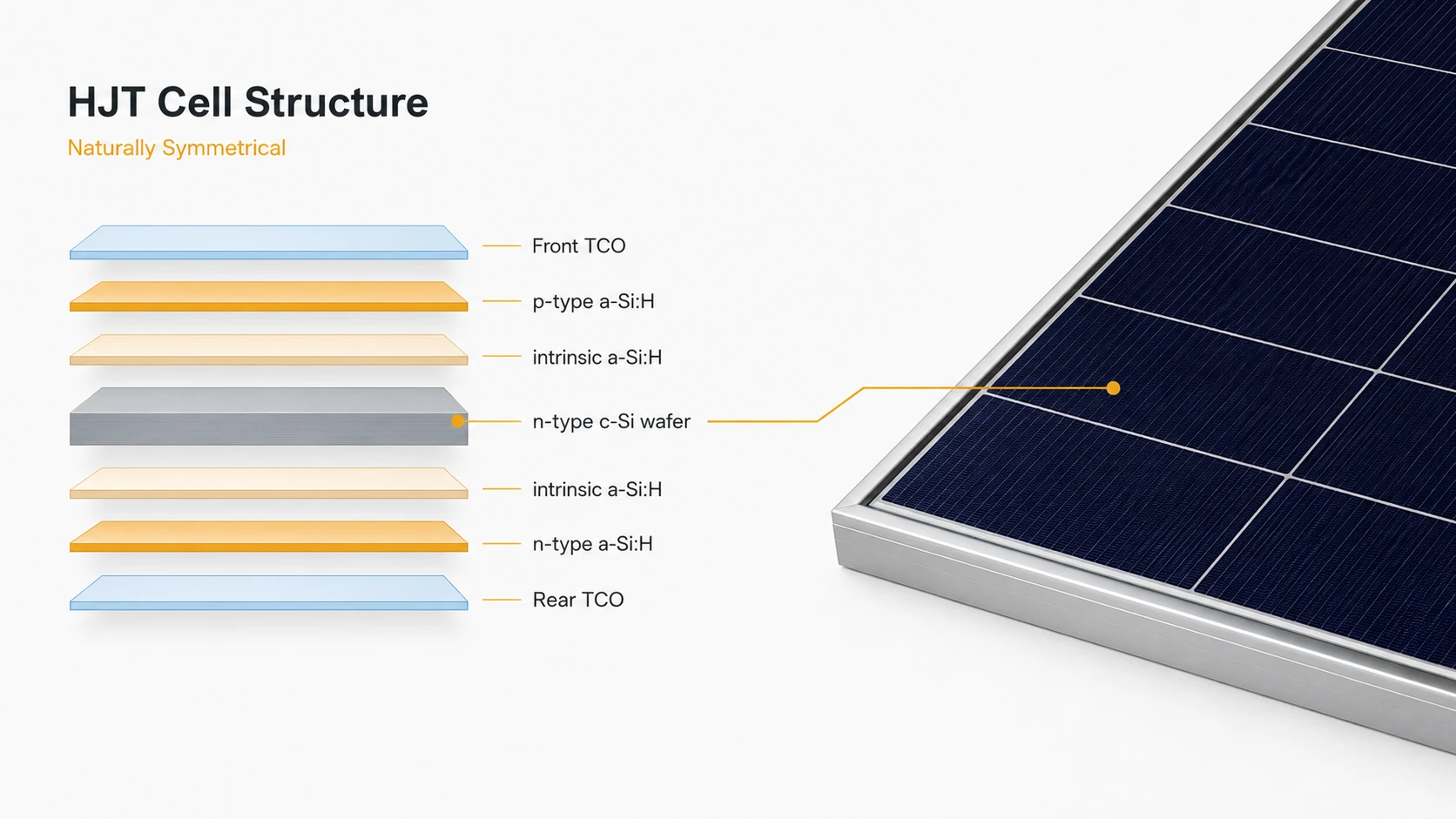
Heterojunction (HJT) technology combines crystalline silicon wafers with ultra-thin amorphous silicon passivation layers, creating a high-performance cell structure designed to reduce recombination losses and convert more available light into usable power.
For project owners, EPCs, and system designers, HJT offers a compelling balance of high module efficiency, superior temperature response, strong bifacial generation, low long-term degradation, and dependable output in challenging operating conditions.
Advantages of HJT Solar Modules
Powering the future. Responsibly. Reliably. Precisely.
Australian Solar HJT modules are built around proven technology advantages that help improve energy yield, protect long-term asset value, and support lower-carbon project development.
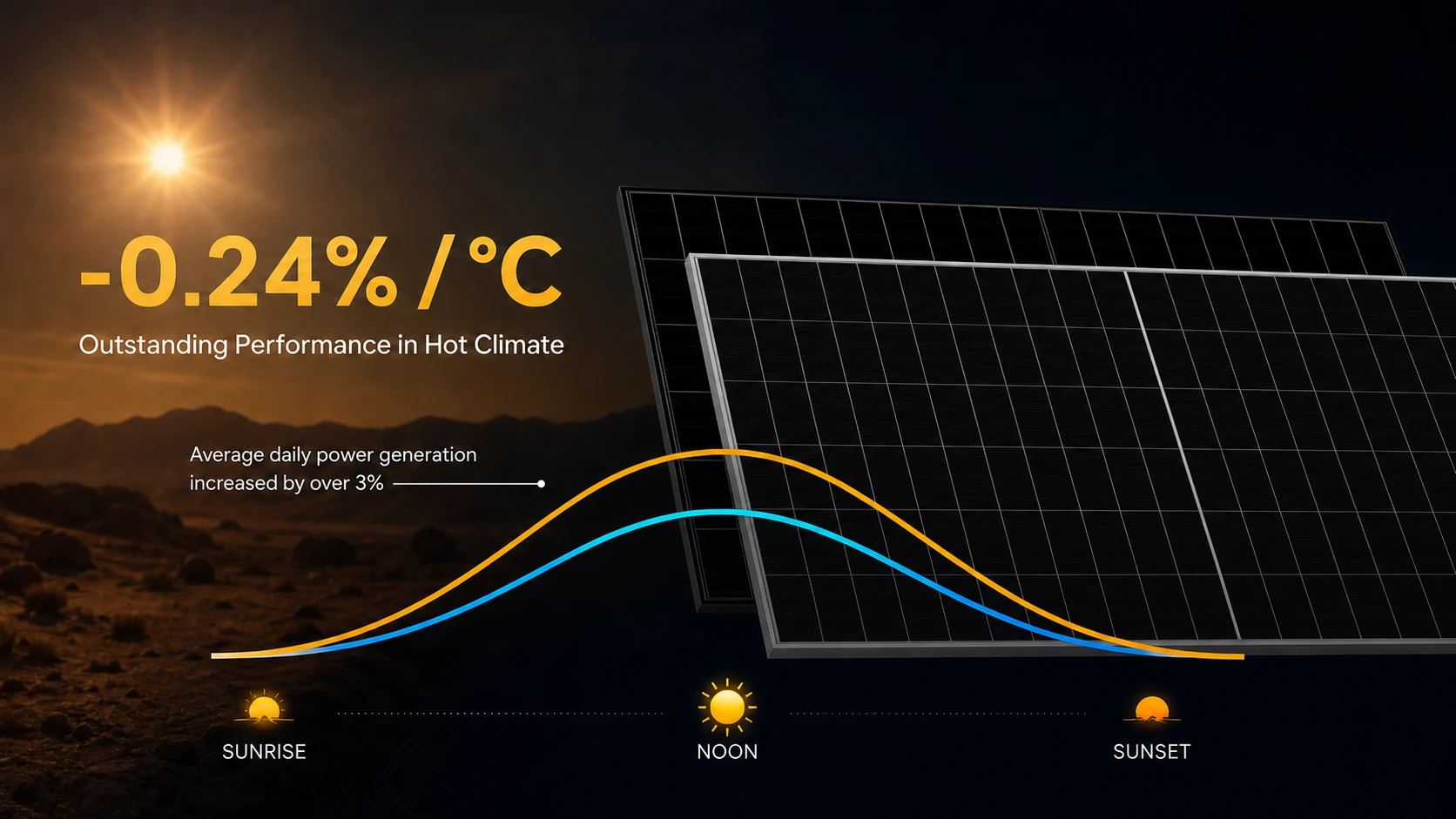
–0.24% / °C
Superior Temperature Coefficient
With an excellent temperature coefficient of –0.24% / °C, HJT modules retain more power in hot, high-irradiance environments, helping projects deliver stronger yield when operating temperatures rise.
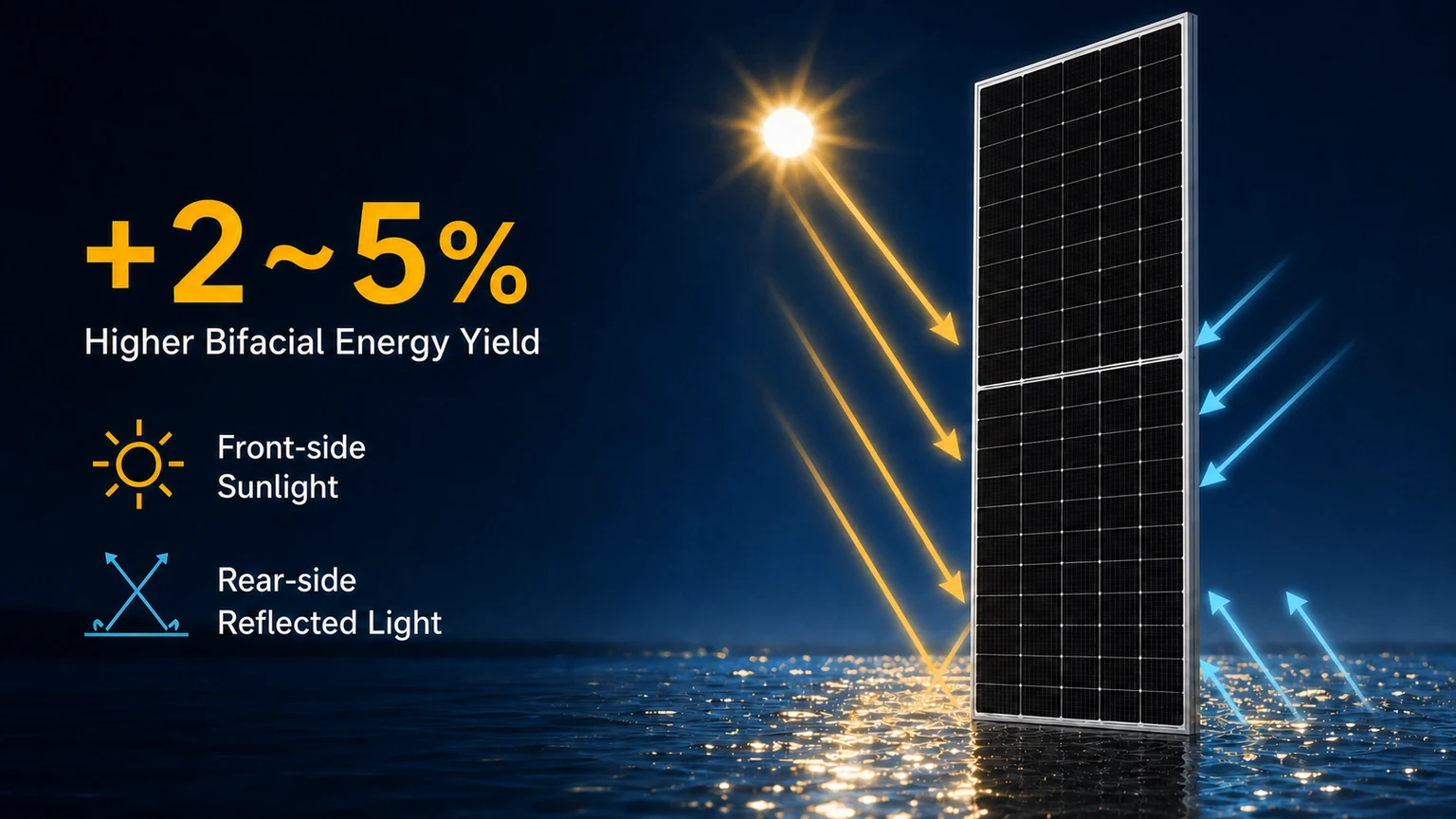
> 90%
Ultra-High Bifaciality
The naturally symmetrical HJT cell structure enables ultra-high bifaciality, allowing the module to capture reflected and diffuse light from the rear side for additional lifetime energy gain.

Extended daily yield
Outstanding Low-Light Performance
Enhanced low-light response helps extend productive generation hours in the early morning, late afternoon, cloudy weather, and other low-irradiance conditions.
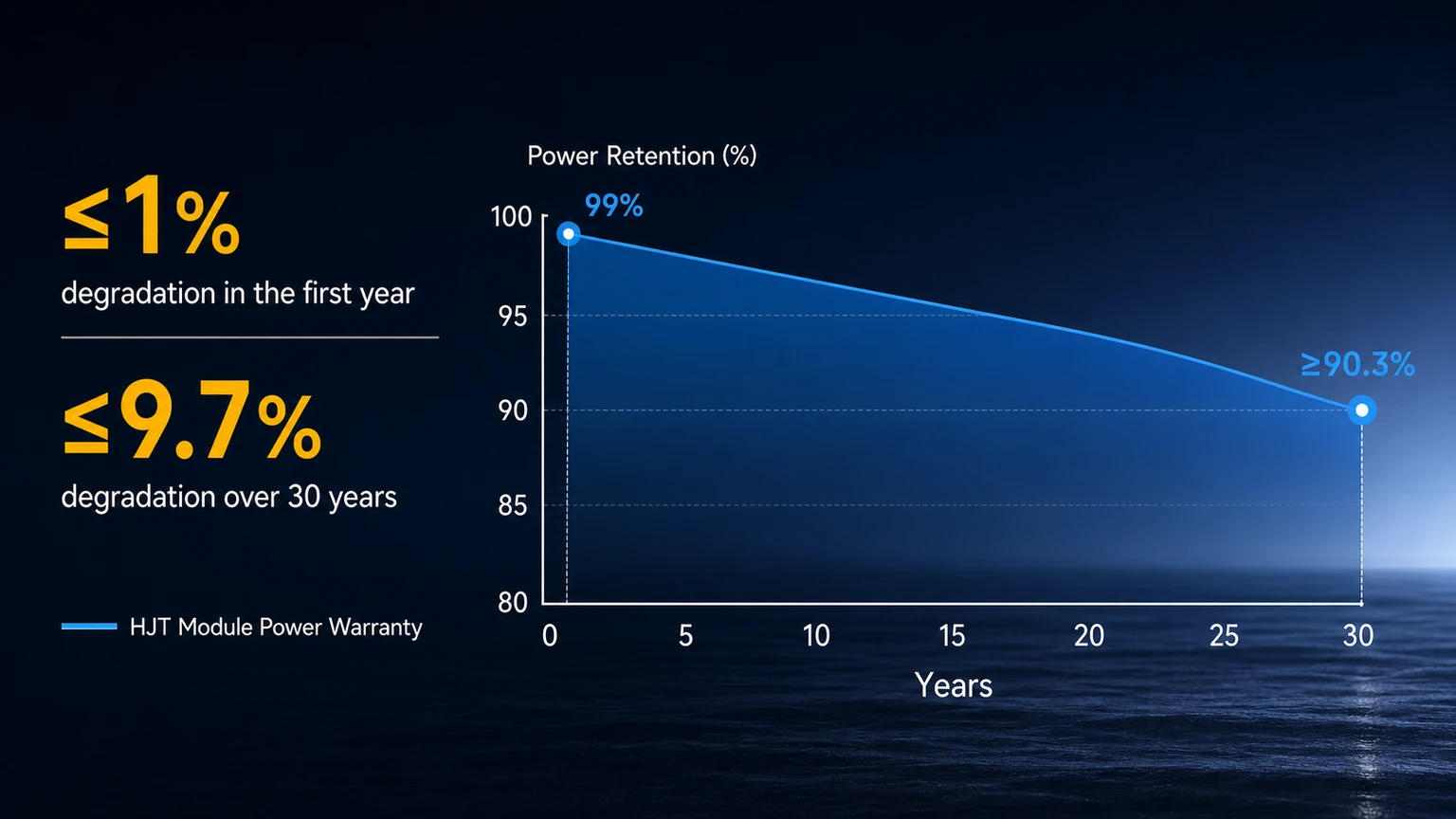
≤ 9.7% over 30 years
Ultra-Low Degradation
HJT’s stable passivated structure limits first-year and long-term power degradation, supporting predictable energy output and stronger project value over the full operating life.

200°C process
Simplified Low-Temperature Manufacturing
A simplified low-temperature manufacturing route reduces thermal stress on the cell, supports advanced wafer formats, and improves the consistency required for high-reliability module production.

90–110 μm wafers
Industry-Leading Carbon Footprint
Thin wafers, material-efficient cell design, and optimized metallization help reduce resource intensity and support a lower lifecycle carbon footprint for modern PV projects.
Australian Solar HJT Modules
HJT Module Portfolio
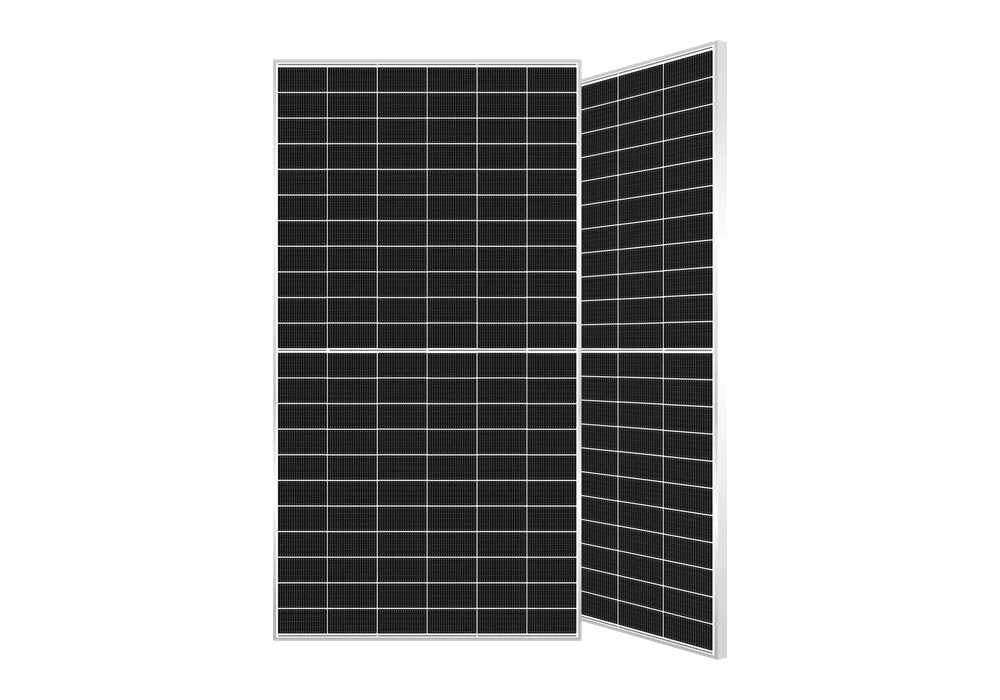
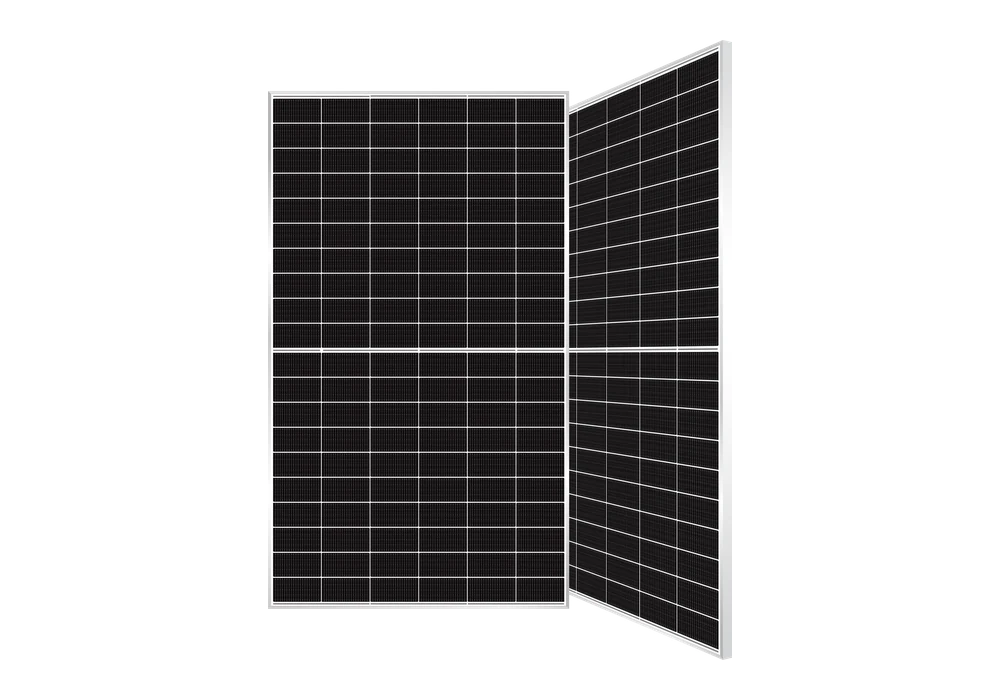
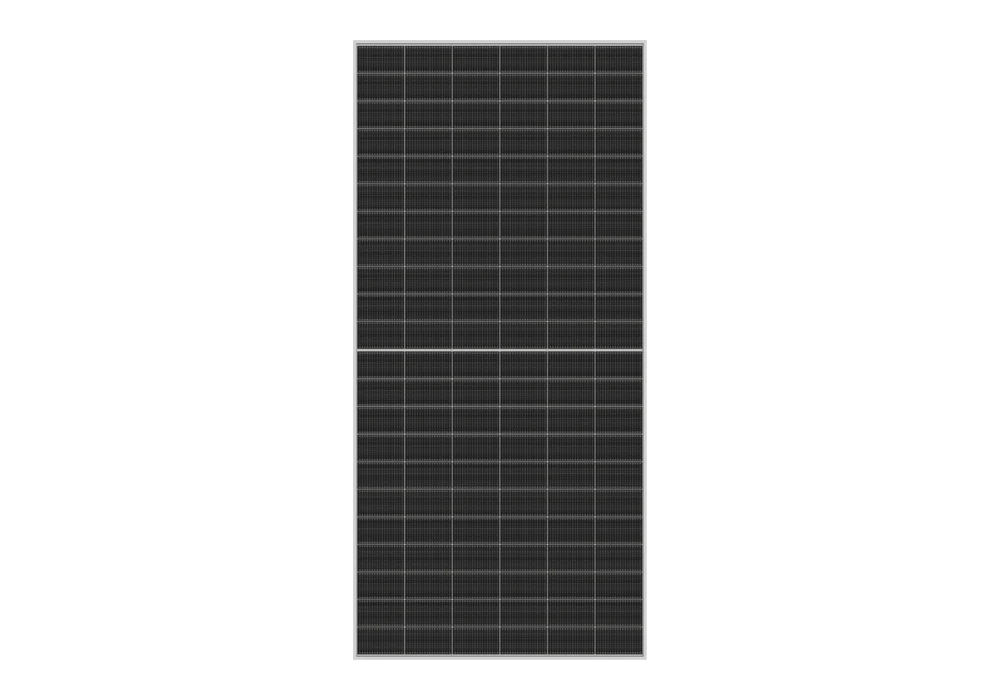
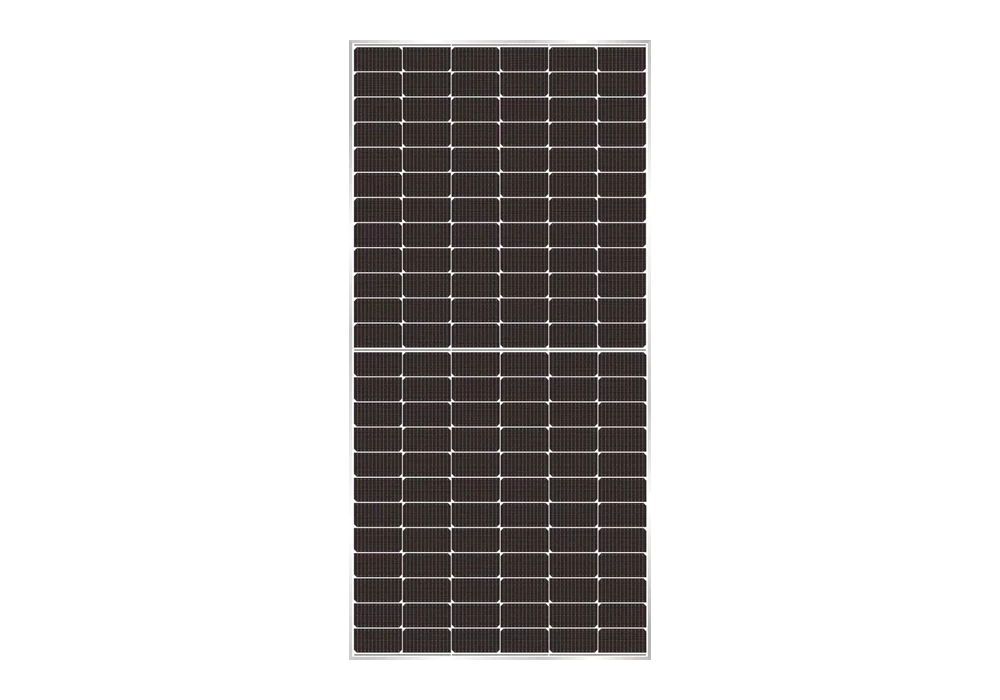
Australian Solar’s HJT module portfolio covers the full spectrum of photovoltaic applications, including high-power utility-scale projects, commercial & industrial (C&I) installations, and residential rooftop systems. Each product is engineered to deliver high energy yield, long-term reliability, and optimized project value. Download the corresponding datasheet below for complete technical specifications, electrical characteristics, mechanical dimensions, and operating parameters.
Plan your solar project